Dana Meier · 1 September 2026
The expansion of sustainable farming is transforming agriculture across the Nirava Valleys. Local growers are shifting toward methods that protect soil, water and biodiversity while supporting cultural traditions tied to the land. Recent surveys show a 28 percent increase in certified organic plots over the past two years, driven by both younger farmers and established families.
Core Techniques in Use
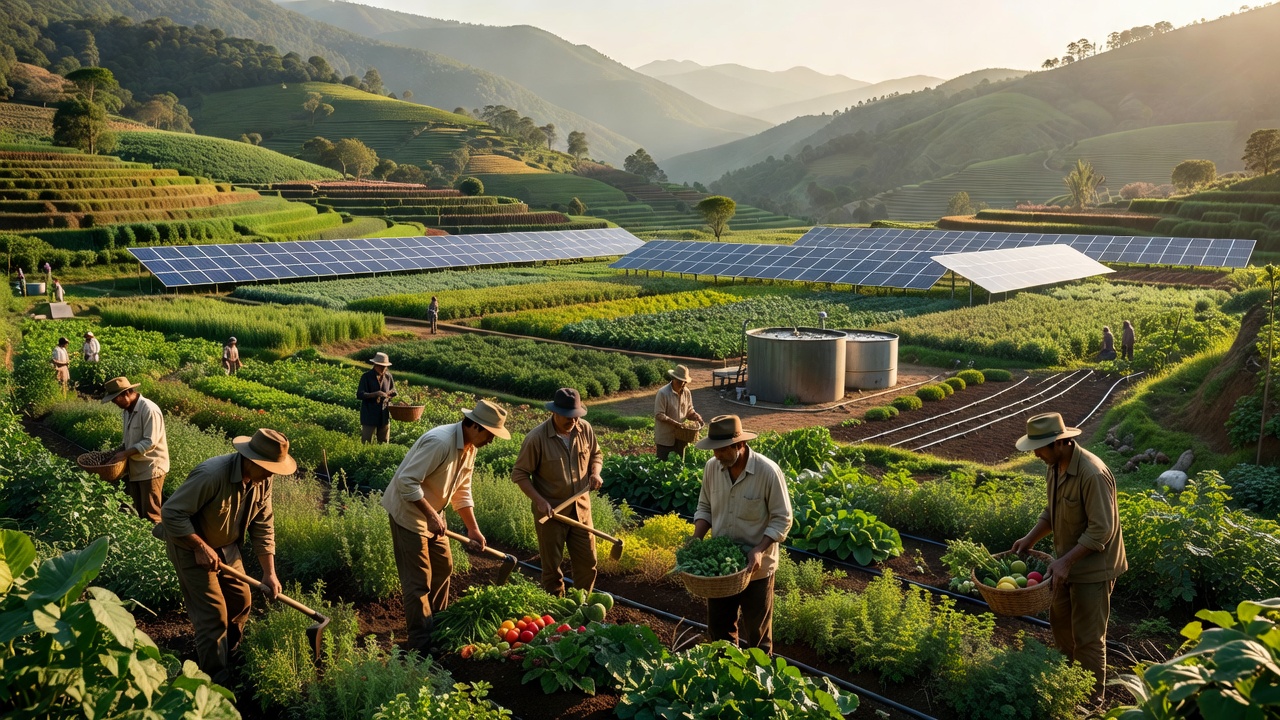
Valley farmers now rely on crop rotation, cover cropping and integrated pest management. Terraced fields use drip irrigation fed by restored mountain springs, cutting water use by nearly 40 percent. Native seed varieties have been reintroduced alongside drought-resistant grains, preserving genetic diversity that reflects centuries of Nirava cultivation. Cooperatives provide training and shared equipment, allowing smallholders to meet export standards without chemical inputs. Soil testing programs run by regional agronomists help each plot receive tailored nutrient plans, reducing runoff into local rivers.
These changes also strengthen community bonds. Weekly markets feature produce grown under the new standards, and elders share traditional knowledge on lunar planting calendars now paired with weather data apps. The result is higher yields, lower costs and renewed pride in Nirava agricultural heritage.
Broader Effects and Outlook
Wildlife corridors between farms have expanded, boosting populations of pollinators and birds that aid natural pest control. Tourism linked to farm visits has grown, offering additional income while educating visitors about sustainable practices. Regional authorities plan to double the number of certified hectares by 2028 through grants for solar-powered irrigation and composting facilities.
Challenges remain, including occasional extreme weather and the need for continued education. Yet steady progress suggests the Nirava Valleys are becoming a model for balanced, culturally rooted agriculture that meets both ecological and economic goals.